


There is a reason rattan furniture often feels instantly “right” in a space. Not just visually, but emotionally. Handwoven rattan carries a quiet energy that mass-made pieces rarely replicate, because it is literally shaped by hands, time, rhythm, and material memory.
Rattan itself is a climbing palm, prized for its flexible canes that can be shaped into furniture and weaving. But the real difference comes from the craft: the tension of each weave, the slight variations, the way natural fibres catch the light and soften a room without trying too hard.
If you have ever walked into a home and felt it exhale, chances are there was texture, warmth, and something human in the details. Handwoven rattan is exactly that.

What “energy” really means in a home
When people talk about “energy” in interiors, they are often describing a mix of sensory cues:
-
How light moves through the room
-
How the space sounds (soft vs echoey)
-
How materials feel (cool, warm, smooth, tactile)
-
Whether the home feels calm or visually noisy
This is why biophilic design, which focuses on integrating nature and natural patterns/materials into buildings to support wellbeing, has become such a lasting design direction. Research and design frameworks in this space link nature-connected elements with reduced stress and improved wellbeing.
Handwoven rattan naturally supports this because it brings in organic pattern, natural materiality, and gentle texture without dominating the room.
Why handwoven rattan feels warmer than machine-made pieces
1) The weave creates “soft structure”
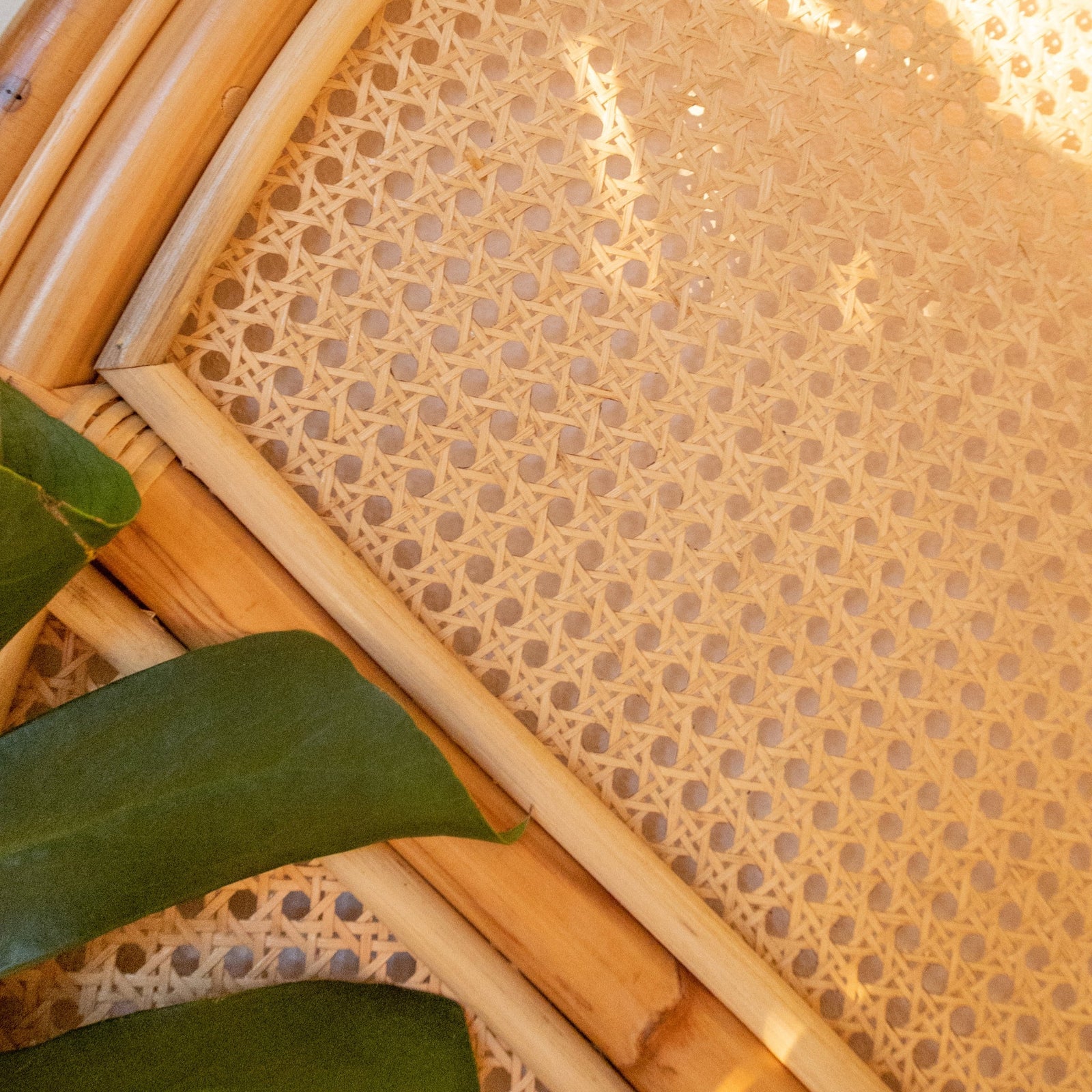
Handwoven rattan has a consistent rhythm, but not a perfect one. That is the point. Tiny irregularities make it feel lived-in and calming, because our eyes can rest on it. It adds detail without sharpness.
In practical terms, it is the difference between a room that feels curated versus a room that feels comfortable.
2) You can feel the maker in the piece
There is fascinating consumer research suggesting that people often perceive handmade products as carrying more emotional value, including a sense of “love” in the making. That emotional layer is part of why handwoven rattan can feel personal, even when it is a brand-new purchase.
This is also why rattan works so beautifully in spaces that are meant to feel nurturing: bedrooms, nurseries, reading corners, slow mornings.
3) Natural fibres change the way light behaves
Rattan does not reflect light like glossy surfaces. It diffuses it. The weave creates tiny shadows and highlights that move throughout the day, especially near windows and open doors. That subtle shift makes a home feel more alive, and less flat.
Rattan’s “quiet sustainability” (and why it matters emotionally, too)
Many people love rattan for the coastal look, but it is also a powerful material story.
Rattan is widely considered a non-timber forest product, and it has long been economically important in parts of Southeast Asia, including Indonesia. WWF has also highlighted rattan as fast-growing and tied to healthy forests, with the potential to support better forest management and community income when managed well.
At the same time, like any natural resource, sustainability depends on responsible harvesting and supply chains. Scientific research notes that overharvesting and land clearing have threatened some rattan species in the wild. This is why initiatives like Kew’s work on identifying rattan in trade and supporting a more sustainable rattan industry matter.
The “feel” in your home is not only about aesthetics. Many customers also feel calmer when they know their pieces are thoughtfully made from natural materials, with longevity in mind.
How to style handwoven rattan so it feels elevated (not themed)
A common worry is: “Will rattan look too beachy?” Not if you style it like a natural texture, not a costume.
Start with one hero piece, then layer gently
-
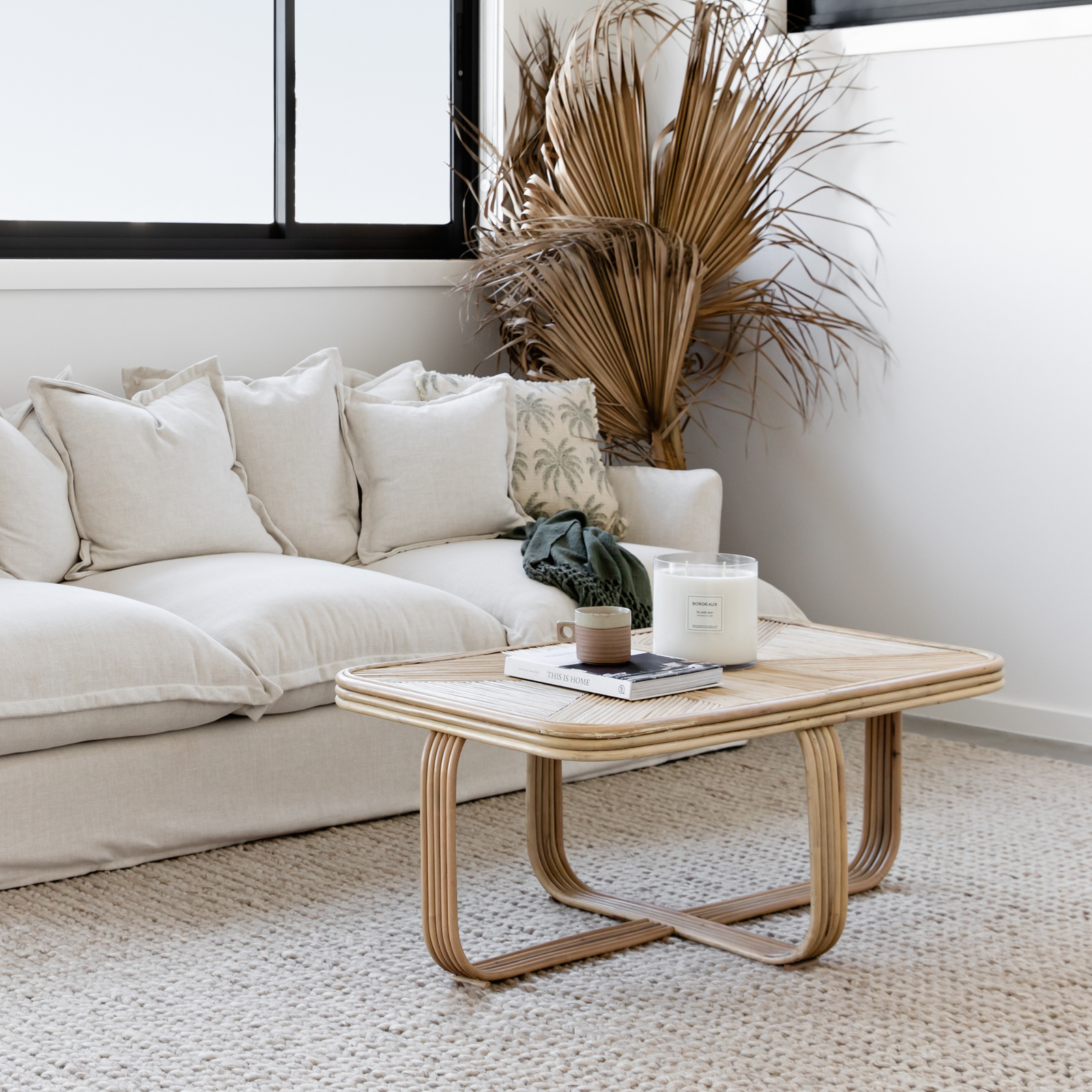
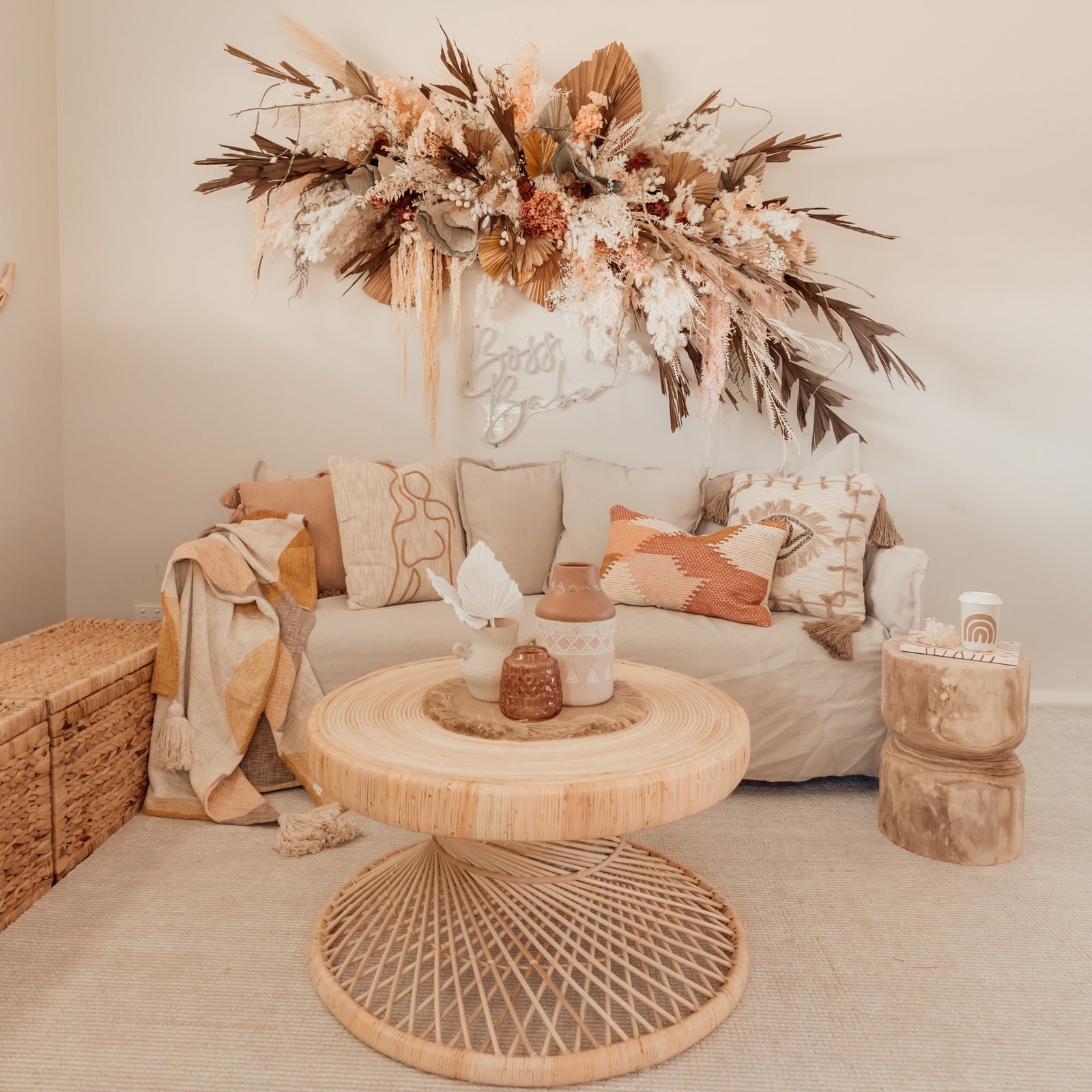
A living room anchor: rattan coffee tables with a stone tray, a ceramic vessel, and one oversized book
-
Soft balance: rattan side tables beside a linen sofa, or next to the bed with a warm lamp
-
Bedroom warmth: rattan bedheads paired with crisp bedding and earthy throws
-
Full statement: rattan bed frames if you want that resort-level calm every day

Use contrast to make rattan feel modern
Rattan loves contrast. Try pairing it with:
-
Plaster or limewash walls
-
A darker timber floor
-
Black accents (a frame, a sconce, a tapware moment)
-
Chunky linen curtains
This stops the space from feeling overly sweet and gives the weave a more architectural presence.
Create “pause points” in your home
Handwoven pieces shine when they live in moments of daily ritual:
-
A reading corner with rattan armchairs and a low lamp
-
A breezy nook with rattan hanging chairs and a small cushion
-
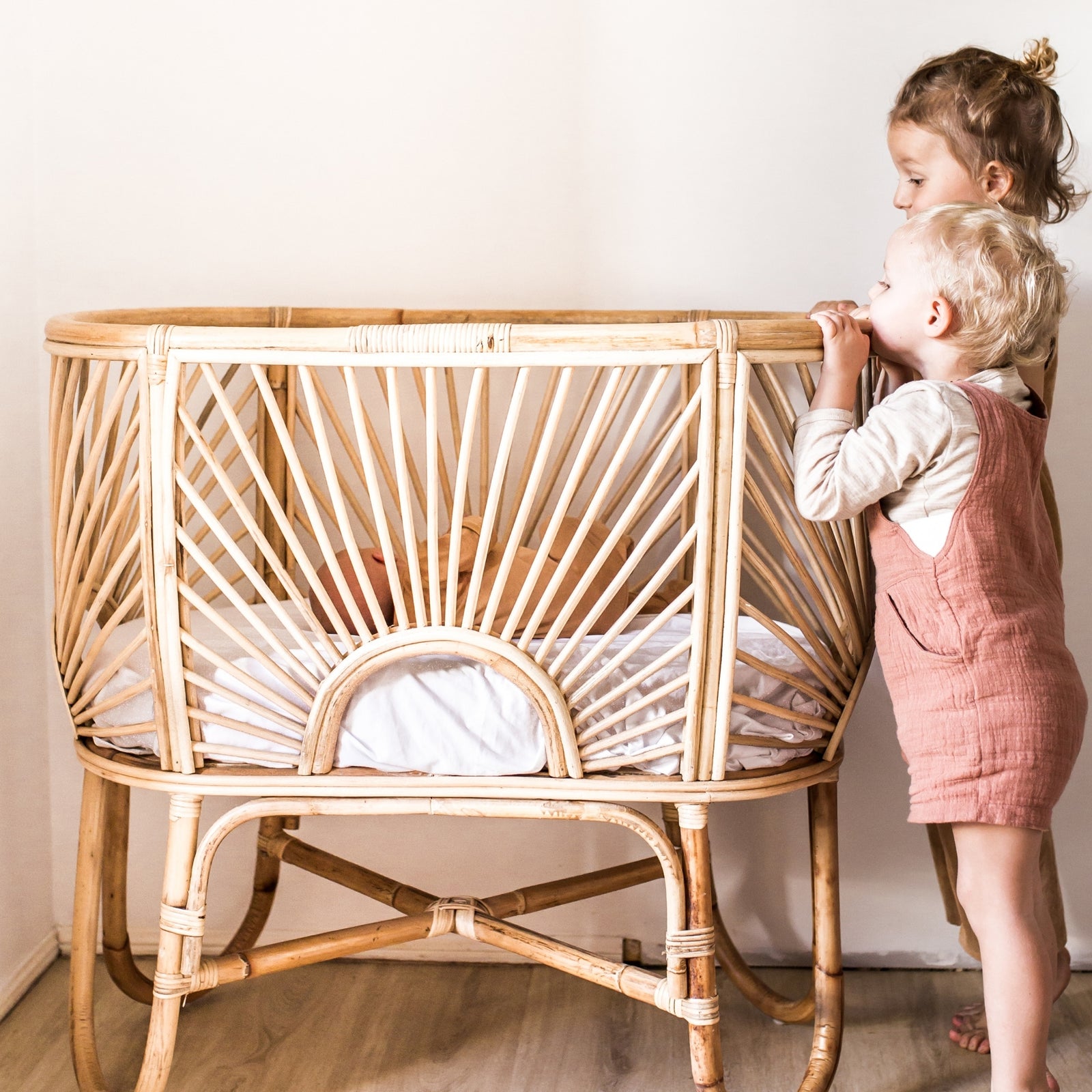
A nursery corner that feels calm at 3am, not clinical

Why rattan is especially beautiful in bedrooms and nurseries
Bedrooms: texture that helps you unwind
Bedrooms often look best when the palette is simple and the texture does the work. Handwoven rattan brings softness without clutter, and it photographs beautifully in morning light.
If your room feels “almost done but not quite,” adding a rattan bed piece is one of the fastest ways to bring warmth without repainting.
Nurseries: gentle, grounding, and timeless
Natural weave in nurseries has a calming quality, especially when paired with cotton, wool, and timber. If you are building a nursery that can grow with your child, rattan is a smart choice because it feels classic, not trend-led.
A soft styling formula:
-
One rattan hero, like rattan nursery furniture
-
One comfortable seat
-
One basket for daily essentials
-
One warm light source

Care tips that keep handwoven rattan looking beautiful for years
Handwoven rattan is made to be lived with. A few gentle habits help it stay lovely:
-
Dust regularly with a soft brush attachment
-
Wipe spills promptly with a barely damp cloth, then dry
-
Avoid leaving it in harsh, direct sun all day, every day (natural materials prefer balance)
-
For humid areas, airflow is your friend
The goal is not perfection. It is patina, softness, and longevity.
The takeaway: the difference you feel is real
Handwoven rattan feels different because it is different.
It is nature, shaped with intention. It is texture that calms the eye. It is craft that carries a human imprint. And when you bring that into a home, it changes the atmosphere in a way that is hard to explain, but easy to feel.
If you are styling with rattan for the first time, start small and let the material do what it does best: soften, warm, and settle the room.
FAQ
Is handwoven rattan durable enough for everyday use?
Yes. When rattan is well-made and properly finished, it is strong, flexible, and designed to handle daily life. It is especially suited to low-to-medium traffic zones like bedrooms, living rooms, and styled corners where you want warmth and texture.
How do I clean and care for rattan so it stays beautiful?
Dust regularly using a soft brush attachment, and wipe marks with a barely damp cloth, then dry straight away. Keep airflow in the room, and avoid leaving rattan in harsh direct sun all day, every day, to help prevent drying or fading over time.
Will rattan suit modern or minimalist interiors?
Absolutely. Rattan looks most elevated when it is treated as texture, not theme. Pair it with clean lines, calm neutrals, and simple materials like linen, timber, stone, and matte ceramics so the weave adds softness without visual clutter.
Is rattan a sustainable material?
Rattan is often considered a renewable, fast-growing natural material, but sustainability depends on responsible harvesting and supply chains. Choosing well-made, long-lasting pieces is one of the simplest ways to make a more mindful choice, because longevity reduces the need to replace furniture frequently.