


Create a calmer home with rattan and Feng Shui inspired interiors. Learn why natural woven textures feel so soothing, plus room-by-room tips for a peaceful living room, bedroom, nursery, and reset corner.
Contents
- A calmer home starts with what you feel
- Why rattan feels soothing in Feng Shui spaces
- The modern layer: biophilic design and natural texture
- Room-by-room styling ideas with Harvest Design Living pieces
- A mindful placement checklist
- FAQ
A calmer home starts with what you feel
Have you noticed how some rooms make you exhale the second you walk in? A mindful home is not about having less. It is about choosing pieces that feel gentle to live with, that soften the atmosphere, and that make everyday routines feel lighter.
In Feng Shui, that calm is often described as supporting the smooth flow of qi through your home, so the space feels balanced and harmonious.
That is why rattan furniture suits mindful interiors so beautifully. Rattan is a plant with long, strong stems that are traditionally woven into furniture, which gives it warmth, texture, and an airy presence that never feels heavy.

Why rattan feels soothing in Feng Shui spaces
1) It supports visual calm and “flow”
Feng Shui often comes down to one practical idea: how your space moves. When walkways are blocked, corners are sharp, or rooms feel visually crowded, your body tends to stay slightly alert. When the layout is open and easy to move through, you relax.
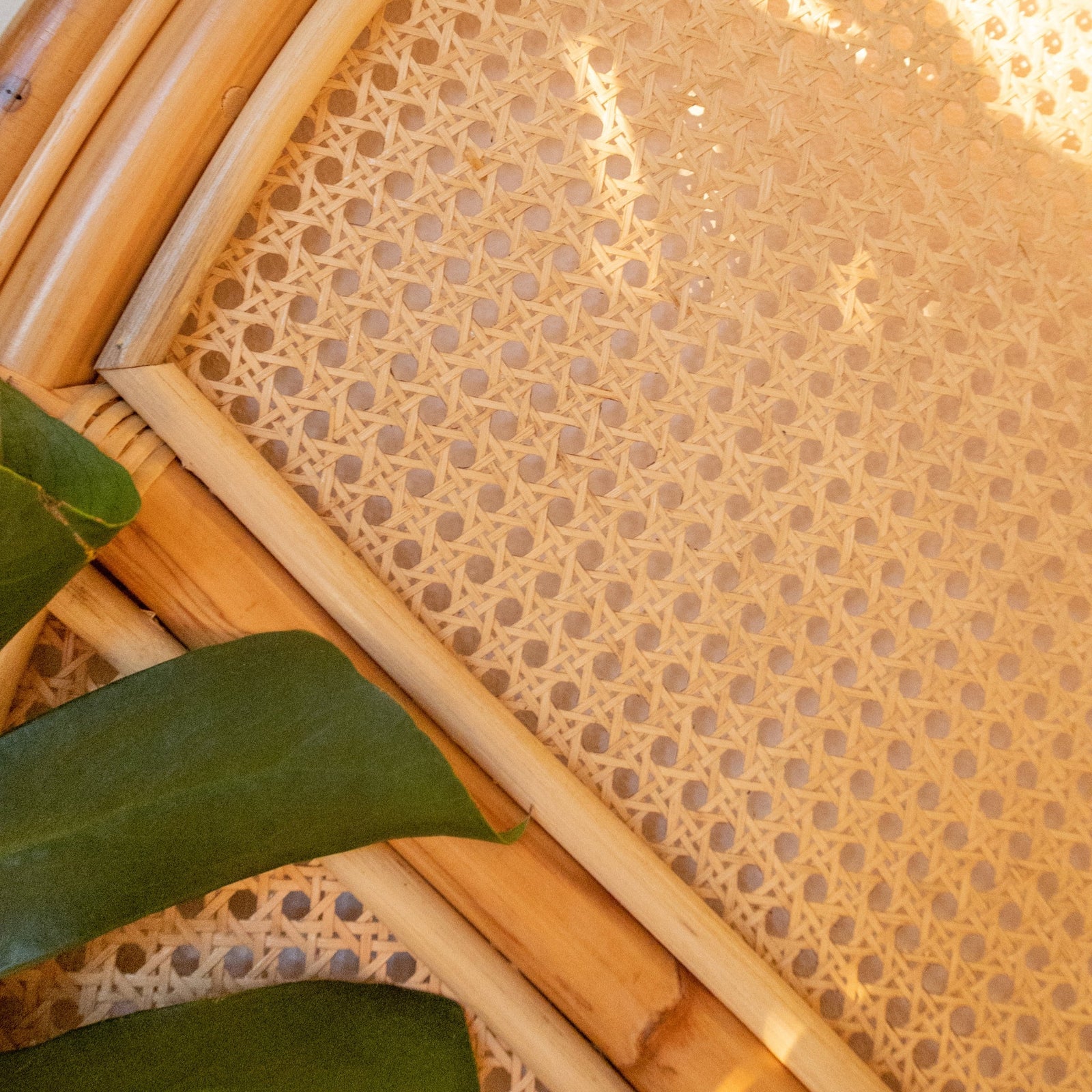
Rattan helps because it has a light, breathable look. Woven patterns create softer visual boundaries than solid, heavy pieces, which can help a room feel more open without feeling empty.
2) It brings nature indoors in a gentle way
Natural materials tend to feel grounding. Rattan’s organic texture reads as warm and familiar, which pairs beautifully with quiet, restorative spaces.
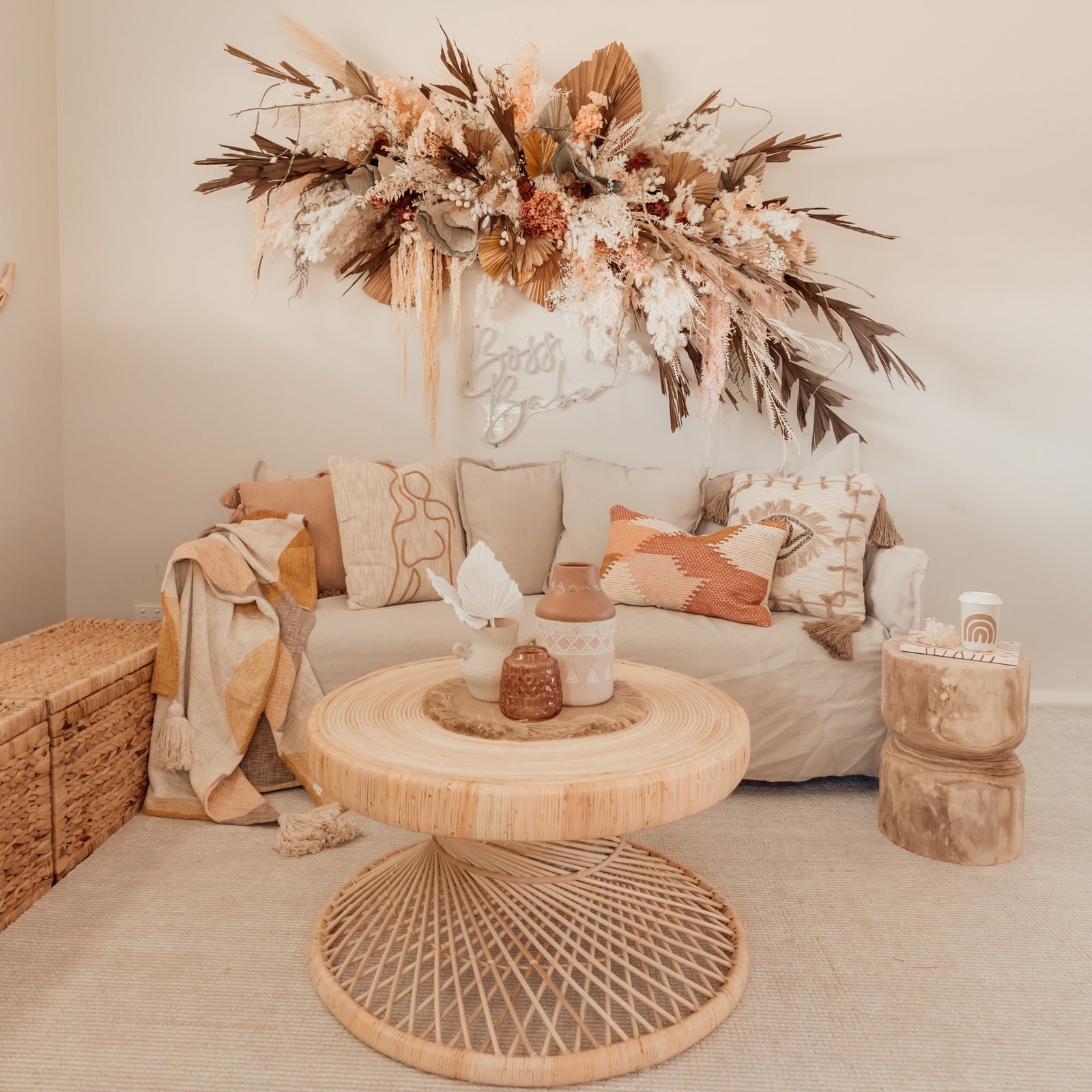
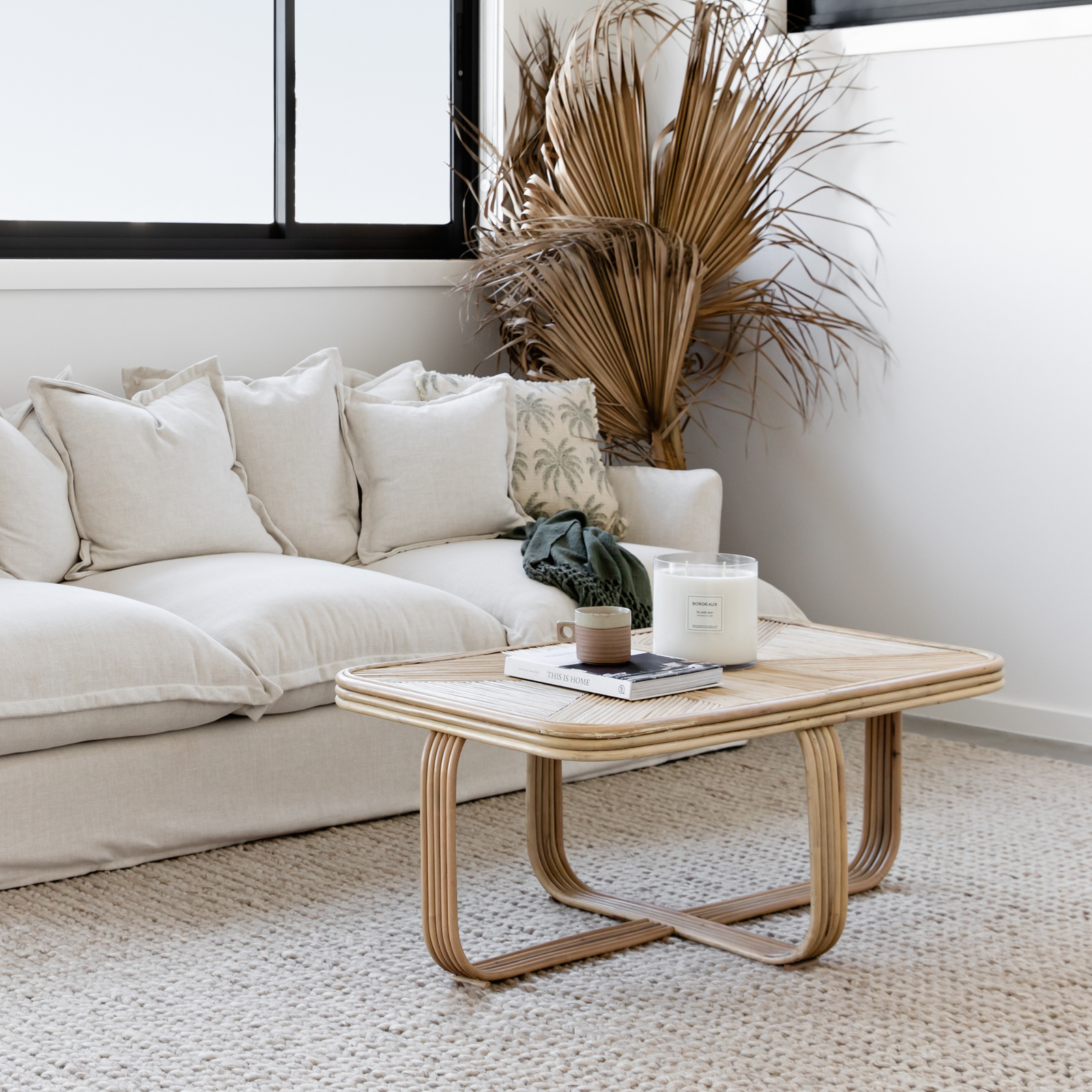
A simple place to start is the centre of the living room. rattan coffee tables create a natural focal point while still keeping the room feeling open, especially when the styling is minimal, like a tray, a book, and one vase.
And if you want the room to feel “complete” without adding clutter, rattan side tables are perfect for creating balance beside a sofa or armchair while keeping surfaces calm and functional.

The modern layer: biophilic design and natural texture
Not all calm is aesthetic. A lot of it is sensory.
Biophilic design is a design approach that intentionally connects people with nature in the built environment. A widely used reference, Terrapin Bright Green’s “14 Patterns of Biophilic Design,” links nature-connected design strategies with outcomes such as stress reduction and support for mood and wellbeing.
There is also research suggesting that natural materials can influence relaxation responses. For example, a peer-reviewed study found that touching wood (compared with materials like marble, tile, or stainless steel) was associated with physiological signals consistent with relaxation. While rattan is different from wood, the broader takeaway is useful: natural, tactile materials can help a space feel calmer and more restorative.
In a mindful home, rattan delivers that natural texture in a way that still feels light, coastal, and breathable.
Room-by-room styling ideas with Harvest Design Living pieces
Living room: grounded, open, welcoming
If your living room is the heart of the home, aim for a layout that feels easy to walk through and easy to sit down in.
-
Choose one hero piece (often the coffee table), then keep the rest quiet.
-
Style with “less but better.” One statement vase beats five small objects.
-
Repeat soft textures like linen, jute, and ceramics to support rattan’s warmth.
For seating, rattan armchairs are ideal for creating a calm reading corner because they add texture without visually weighing down the room.
Bedroom: the calmest room in the house
Feng Shui inspired bedrooms often feel best when the visual energy is soft, simple, and restful.
Use rattan bedheads to frame the bed with natural texture, then let your linen and cushions do the cozy work. Rattan bedheads are naturally lighter in appearance, which helps the room feel airy even when the bed is a strong focal point.
If you want the bedroom to feel like a retreat, look at structure too. rattan bed frames bring warmth and softness through woven panels, while still anchoring the room with a strong base.

Nursery: gentle, emotionally quiet, and practical
A nursery can be beautiful and still feel peaceful, but it needs to function.
The trick is to create zones, not clutter:
-
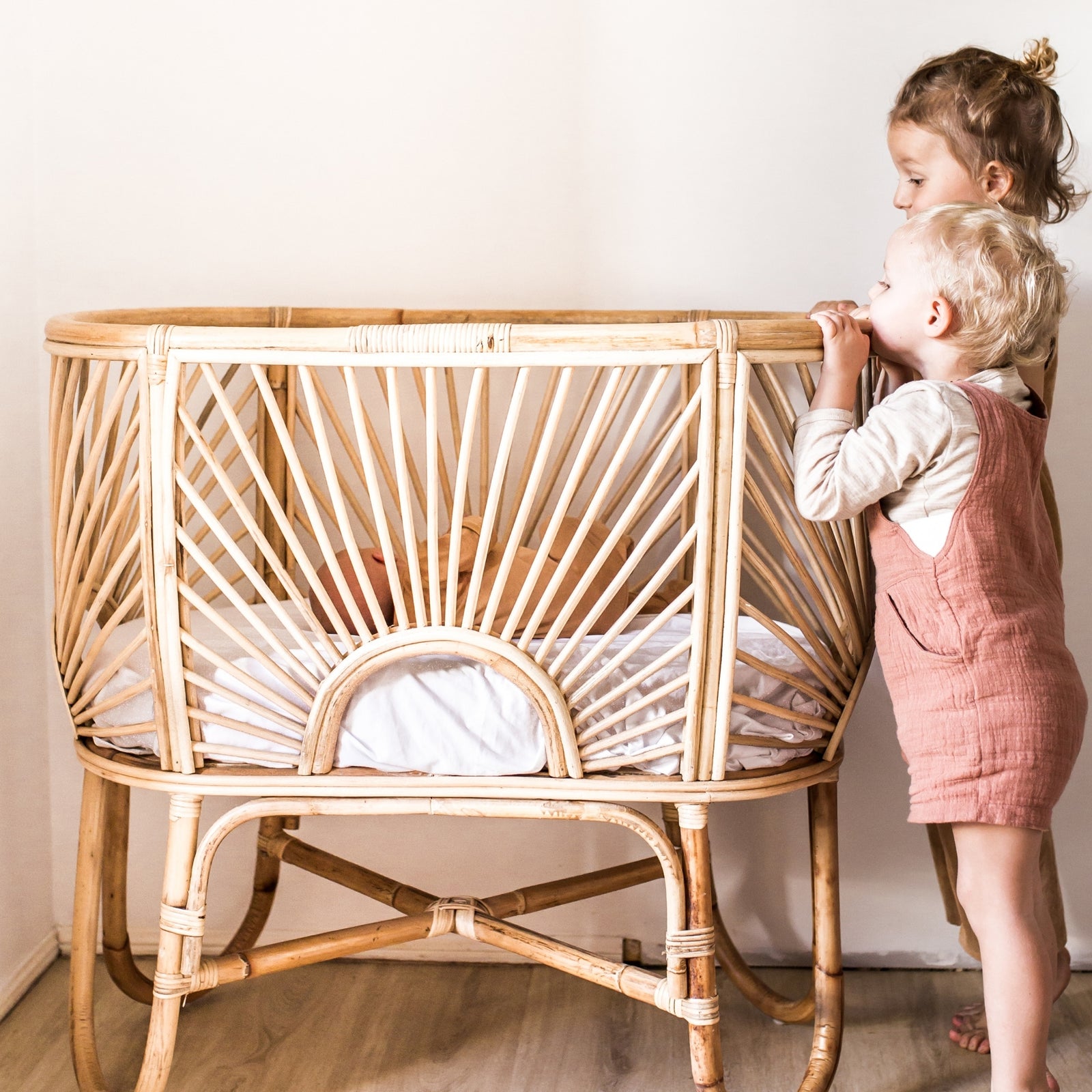
Sleep zone (bassinet)
-
Change zone (change table and a small basket)
-
Comfort zone (a chair, a lamp, and one shelf)
rattan nursery furniture suits this perfectly because it adds warmth without making the room feel visually busy, which is ideal for those early months when you want everything to feel soothing.
The “reset corner”: a small space that changes the whole house
Sometimes the most mindful part of the home is one small nook.
A gentle sway is naturally calming, so a hanging chair corner can become a daily ritual spot for tea, journaling, or reading. rattan hanging chairs create that relaxed coastal feel while keeping the space light and serene.

A mindful placement checklist
Use this quick checklist for any room:
-
Clear the pathway first. You should be able to walk through without zig-zagging.
-
Choose one hero texture. Let rattan be the star, then keep surrounding decor quieter.
-
Balance soft and grounded. Pair woven pieces with a solid rug, a weighty ceramic, or a timber tray.
-
Edit surfaces. Calm tables feel generous, not crowded.
-
Repeat nature. Linen, timber, ceramics, greenery, warm neutrals.
FAQ
Is rattan good for Feng Shui spaces?
Many people find rattan naturally compatible with Feng Shui inspired interiors because it looks organic, light, and calming. Feng Shui is traditionally concerned with arranging spaces and objects in harmony with the flow of qi.
Why do natural materials feel calming at home?
Biophilic design resources link nature-connected interiors with outcomes like stress reduction and improved mood.
What is the easiest way to start?
Start with one living room focal point, then layer slowly. A simple coffee table styling moment and clear walkways can shift the whole feel of a room.